
Managing workforce compliance becomes increasingly difficult as organizations grow.
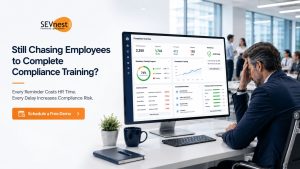
Many HR and compliance teams still rely on a combination of different tools, spreadsheets, emails, and manual processes to manage employee training, certifications, compliance requirements, and reporting.
For example:
- Training records may exist in a learning system
- Employee information may be stored separately
- Certification details may require manual tracking
- Compliance reminders may depend on email follow-ups
- Audit documents may be maintained across different locations
While these processes may work initially, they become difficult to manage as organizations expand.
The result is often limited visibility, increased administrative work, inconsistent training management, and challenges preparing for audits.
A Compliance Control Center provides a centralized approach by bringing essential compliance activities into one environment. It helps organizations monitor compliance status, manage employee learning, track requirements, and improve workforce readiness.
For businesses looking to replace fragmented processes, a centralized compliance solution can become a strategic investment.
What Is a Compliance Control Center?
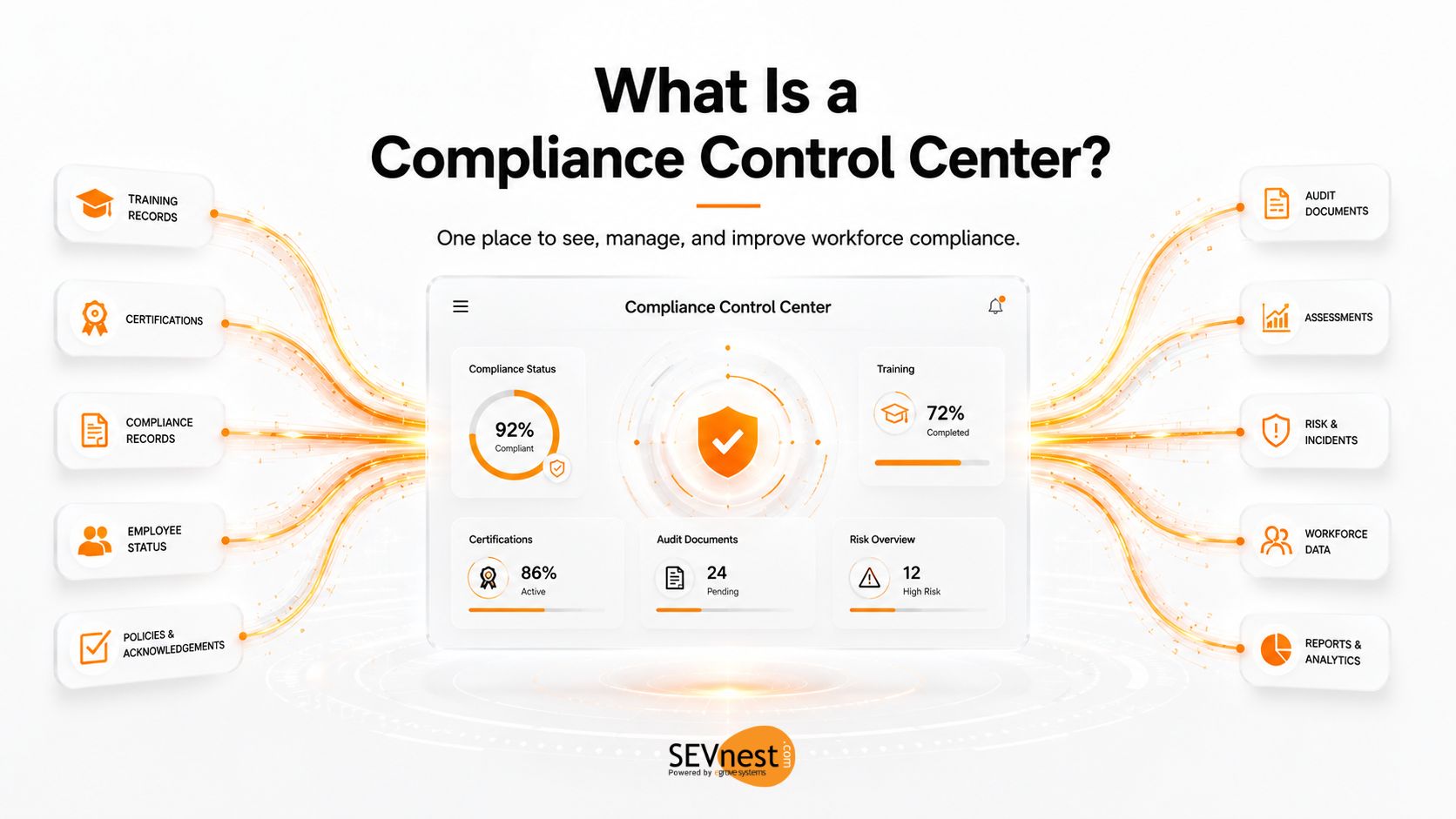
A Compliance Control Center is a centralized system designed to help organizations manage workforce compliance activities from one place.
Instead of relying on separate tools for training, tracking, reporting, and documentation, teams can use one platform to monitor important compliance information.
A modern Compliance Control Center helps organizations:
- Monitor employee compliance status
- Assign required training
- Track learning progress
- Manage certifications
- Identify compliance gaps
- Automate reminders
- Generate reports
- Prepare audit documentation
The purpose is not simply storing compliance information.
The purpose is creating visibility and control.
A centralized system allows HR and compliance leaders to understand what is happening across their workforce and take action faster.
Why Businesses Need a Centralized Compliance Solution
Growing Workforce Complexity
As organizations grow, compliance requirements become harder to manage.
Companies may have:
- Multiple departments
- Remote employees
- Different training requirements
- Various compliance deadlines
Managing these processes manually creates unnecessary complexity.
A centralized solution helps teams maintain consistent compliance processes across the organization.
Increasing Administrative Work
Compliance teams often spend significant time handling repetitive tasks:
- Sending reminders
- Checking completion status
- Updating records
- Preparing reports
This administrative burden reduces the time available for strategic compliance improvements.
A modern compliance management platform helps automate these activities and improve operational efficiency.
Limited Workforce Visibility
One of the biggest challenges with fragmented compliance processes is not knowing the complete compliance picture.
Leadership teams need answers such as:
- Which employees completed required training?
- Which teams have outstanding requirements?
- Where are compliance gaps appearing?
- Are we prepared for upcoming reviews?
Without centralized visibility, answering these questions can require manual effort.
Key Features to Look for in a Compliance Control Center
When evaluating a Compliance Control Center, organizations should focus on capabilities that support complete compliance management.
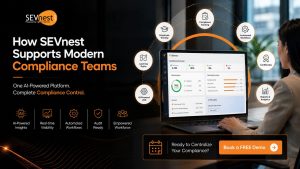
1. Centralized Compliance Dashboard
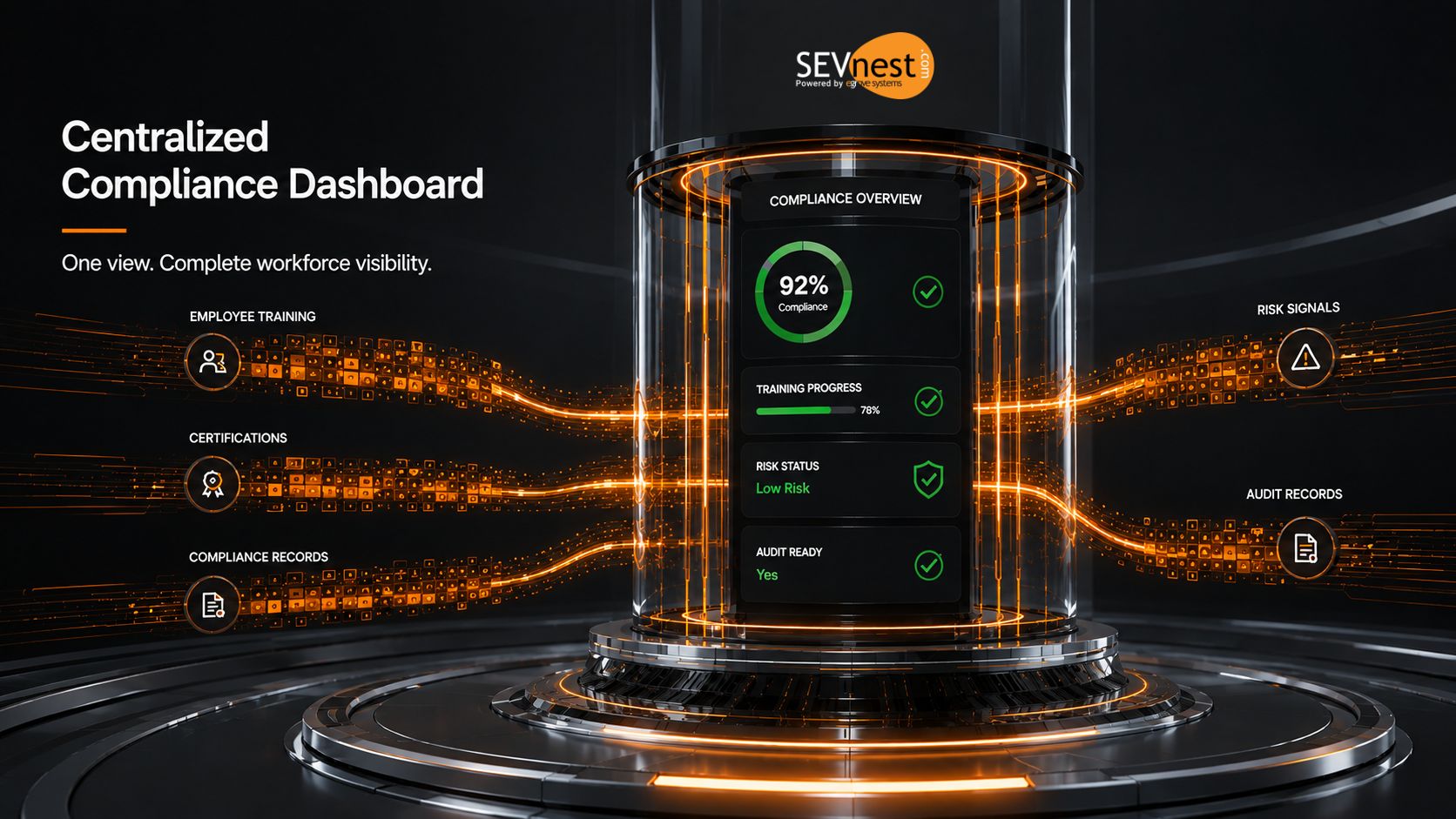
A strong platform should provide one view of workforce compliance.
Decision-makers should be able to monitor:
- Employee compliance status
- Training completion
- Pending actions
- Compliance trends
- Readiness indicators
A centralized dashboard reduces the need to collect information from multiple systems.
2. Compliance Training Management
Employee learning is a core part of compliance readiness.
A modern solution should support:
- Mandatory training assignments
- Role-based learning
- Employee progress tracking
- Training completion monitoring
Effective compliance training software helps organizations ensure employees receive relevant learning based on their responsibilities.
3. Automated Reminders and Workflows
Manual follow-ups are time-consuming.
A centralized platform should help automate:
- Training reminders
- Compliance notifications
- Approval workflows
- Follow-up actions
Automation helps HR and compliance teams reduce repetitive work.
4. Compliance Tracking
Organizations need reliable visibility into workforce compliance activities.
A complete solution should support:
- Training completion tracking
- Certification monitoring
- Employee progress
- Compliance requirements
- Overdue activities
Modern compliance tracking software helps teams maintain better control over workforce readiness.
5. Reporting and Analytics
Reporting is essential for leadership decisions and audit preparation.
A strong platform should provide:
- Compliance reports
- Workforce insights
- Progress analytics
- Documentation visibility
Clear reporting helps organizations understand current compliance conditions.
6. Audit Readiness
Preparing for audits becomes easier when compliance records are centralized.
A Compliance Control Center should help organize:
- Training records
- Employee documentation
- Compliance evidence
- Reporting information
This creates a more structured approach to audit preparation.
7. AI-Powered Capabilities
AI can make compliance management more intelligent by supporting:
- Personalized learning recommendations
- Training suggestions
- Workflow automation
- Compliance insights
- Identification of areas requiring attention
An AI-powered LMS can enhance workforce learning by helping organizations deliver more relevant and efficient learning experiences.
AI supports decision-making but does not replace compliance professionals.
Business Benefits of a Compliance Control Center
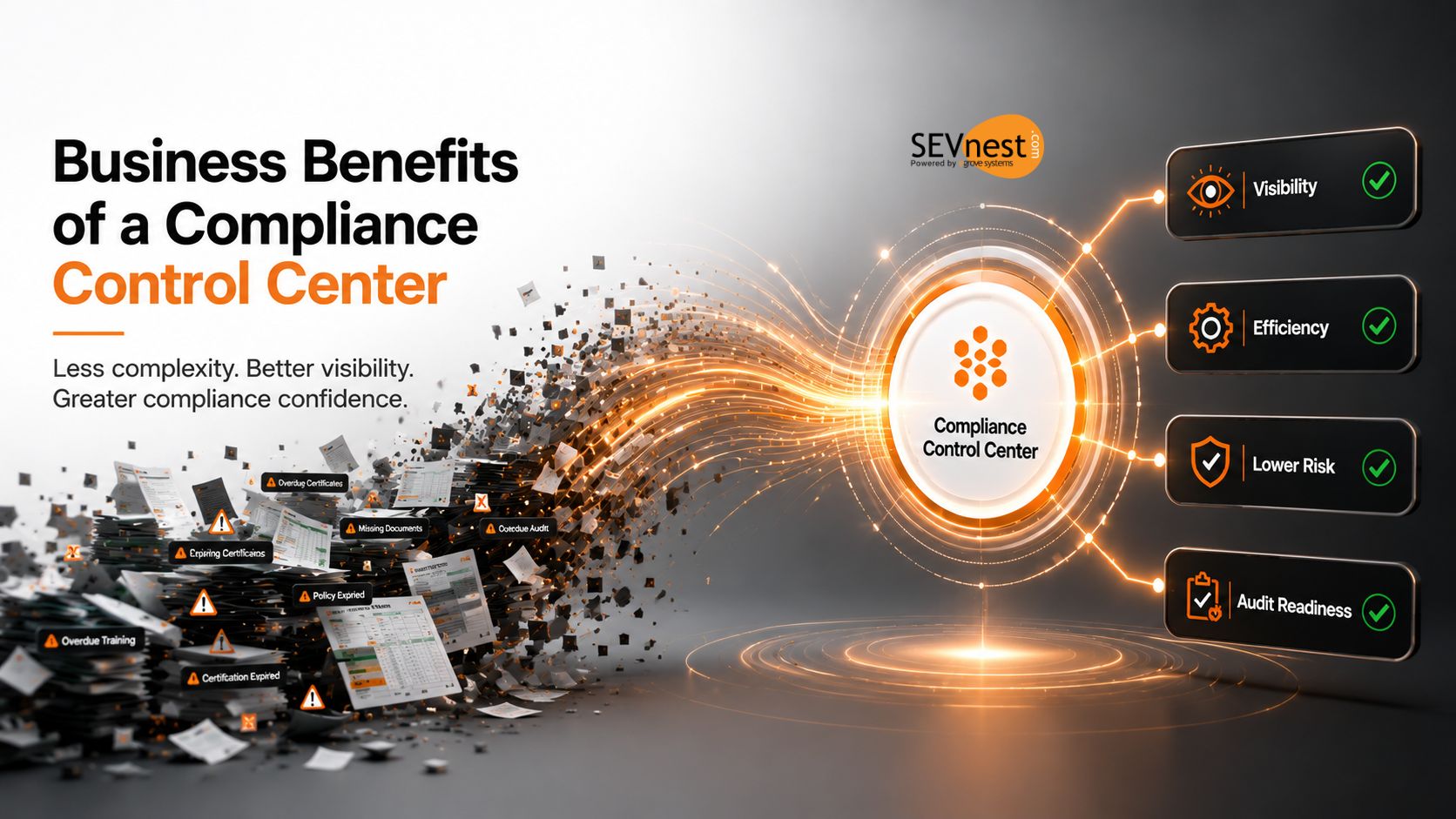
Better Compliance Visibility
Centralized compliance information helps leaders understand workforce readiness more clearly.
Reduced Administrative Effort
Automation reduces manual tracking, reminders, and reporting tasks.
Improved Employee Accountability
Employees receive clearer visibility into their required learning and compliance responsibilities.
More Consistent Training
Organizations can create structured learning experiences across departments.
Easier Employee Onboarding
New employees can receive required compliance learning from the beginning.
Scalable Workforce Compliance Management
A centralized approach supports growing organizations managing larger teams and more complex requirements.
How to Choose the Right Compliance Control Center
Before selecting a platform, organizations should evaluate:
✓ Ease of implementation
✓ Centralized visibility
✓ Workflow automation
✓ AI capabilities
✓ Training management
✓ Reporting functionality
✓ Scalability
✓ Employee experience
✓ Administrator experience
✓ Integration options
✓ Security
✓ Customer support
Questions to Ask Before Choosing a Platform
- Can the platform centralize all compliance activities?
- Does it support mandatory and role-based training?
- Can managers monitor employee progress?
- Does it automate reminders and workflows?
- Does it provide useful compliance reporting?
- Can it scale across departments and locations?
- Does it support AI-powered learning capabilities?
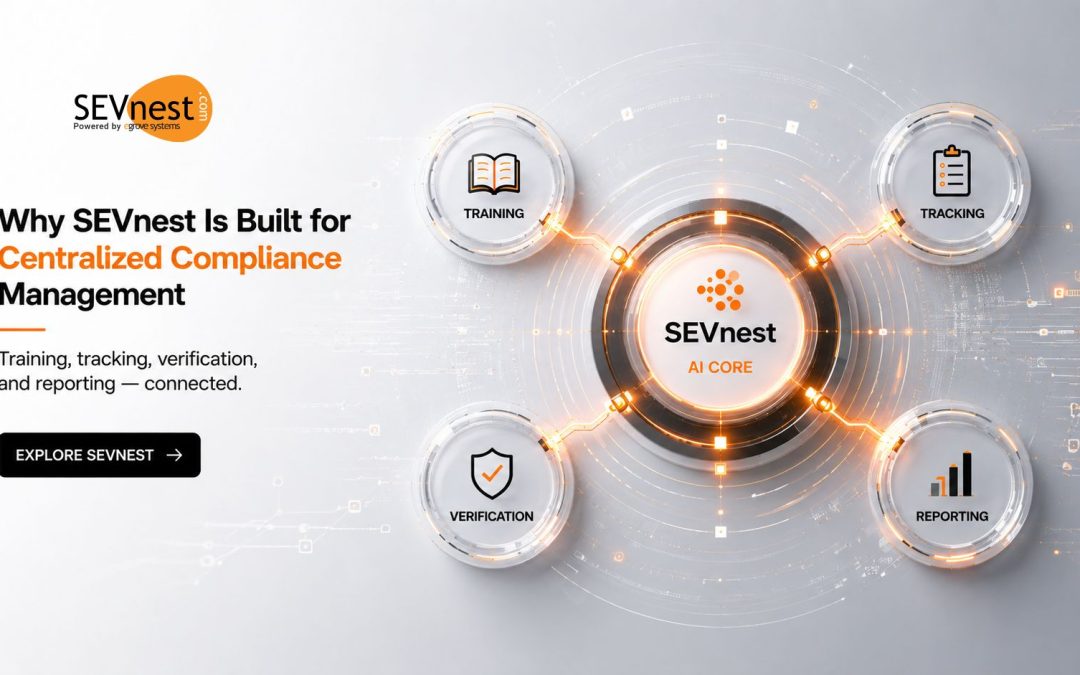
Why SEVnest Is Built for Centralized Compliance Management
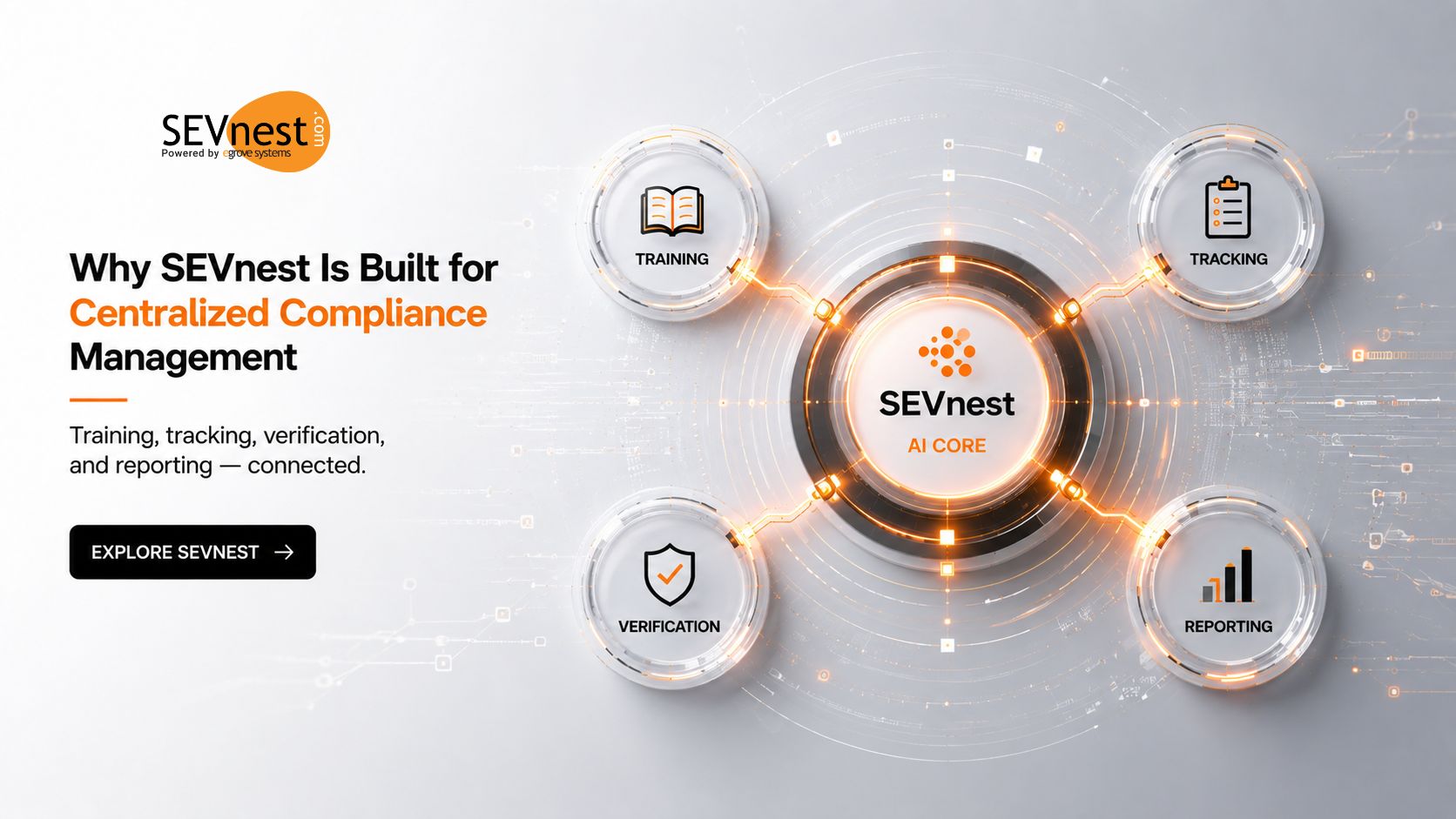
SEVnest helps organizations centralize workforce compliance through an AI-enabled compliance and workforce learning platform.
The platform helps organizations manage:
- Compliance training
- Workforce learning
- Employee onboarding
- Learning paths
- Compliance tracking
- Automated workflows
- Employee progress
- Certifications
- Reporting
By bringing these activities together, SEVnest helps HR and compliance teams move away from fragmented processes and create a more organized compliance management approach.
Organizations evaluating compliance solutions can explore SEVnest as a way to improve visibility, simplify workforce learning, and create stronger compliance workflows.
Why Take Action Now?
Continuing with fragmented compliance processes can create unnecessary challenges.
Organizations that rely heavily on manual tracking often experience:
- Increased administrative effort
- Limited visibility
- Slower reporting
- Difficult compliance monitoring
A centralized Compliance Control Center provides a more structured way to manage workforce compliance as organizations grow.
Key Takeaways
- Compliance management becomes more complex as organizations scale.
- A Compliance Control Center provides centralized visibility and control.
- Modern platforms combine training, tracking, reporting, and automation.
- AI improves compliance workflows and learning experiences.
- Organizations should evaluate platforms based on usability, scalability, and business value.
Conclusion
Modern compliance requires more than completing training programs.
Organizations need visibility into workforce compliance, better tracking processes, automated workflows, and reliable reporting.
A Compliance Control Center brings these capabilities together, helping HR and compliance teams move from fragmented processes to centralized compliance management.
For organizations looking to improve workforce readiness and simplify compliance operations, investing in the right platform can create long-term operational value.
Book a FREE Demo with SEVnest
See how SEVnest can help your organization centralize workforce compliance, simplify training management, improve visibility, and reduce manual compliance work.