
Many organizations provide employee training, but the real question is whether employees are receiving the right knowledge at the right time and in a way they can apply in their daily work.
A strong Workplace Compliance Training program is not simply a collection of mandatory courses. It should help employees understand workplace expectations, organizational policies, professional responsibilities, and the behaviors required to maintain a safe and compliant environment.
Effective compliance training combines relevant topics, role-based learning, assessments, documentation, and ongoing reinforcement.
Organizations need training programs that support both employee understanding and business objectives. A well-structured approach helps create awareness, reduce confusion, and provide better visibility into workforce learning activities.
What Is Workplace Compliance Training?
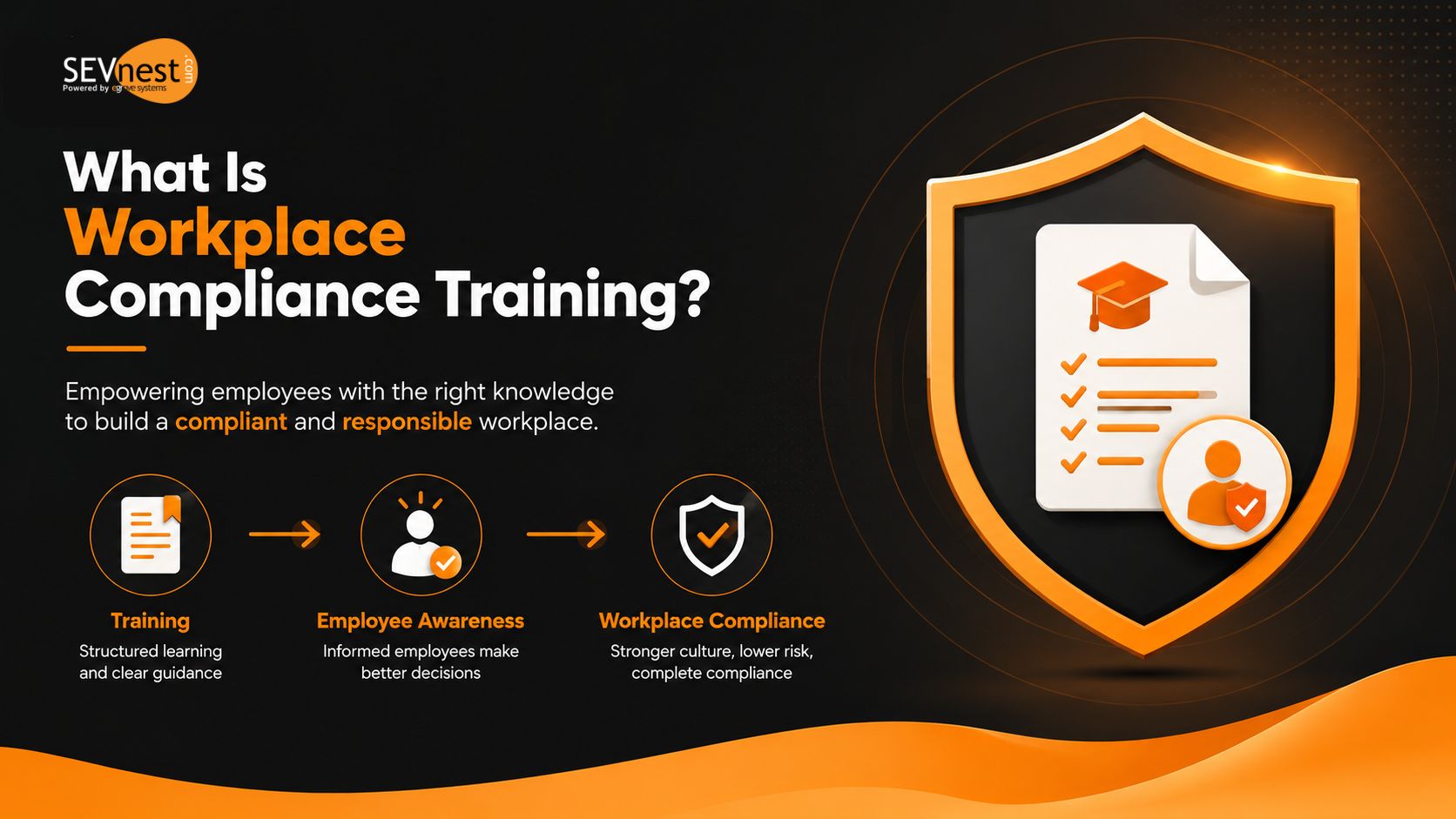
Workplace Compliance Training helps employees understand the rules, policies, standards, and responsibilities that apply to their roles within an organization.
The purpose is to help employees make informed decisions and understand how workplace expectations apply to their everyday activities.
Training requirements can vary depending on factors such as:
- Industry
- Location
- Employee responsibilities
- Organization size
- Workplace risks
- Applicable regulations
For example, employees working in healthcare may require different training compared to employees in technology, manufacturing, or financial services.
A complete compliance approach focuses on delivering relevant education rather than providing identical training to every employee.
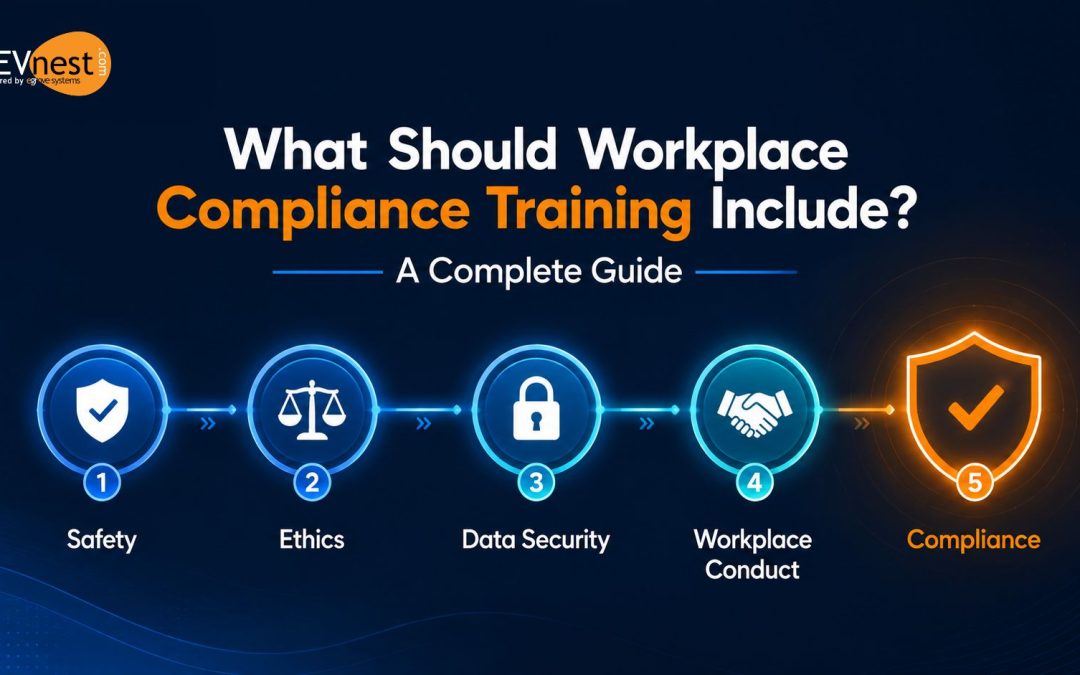
What Should Workplace Compliance Training Include?
An effective compliance training program should cover the areas most relevant to the organization, employees, and operational environment.
1. Workplace Policies and Code of Conduct
Every organization should help employees understand internal policies and expected workplace behaviors.
This training may include:
- Code of conduct
- Professional behavior expectations
- Company policies
- Employee responsibilities
- Reporting procedures
Employees should understand not only what policies exist but also how those policies apply in real workplace situations.
Clear communication helps create consistency across teams and departments.
2. Anti-Harassment and Workplace Respect
Creating a respectful workplace requires employees to understand appropriate behavior and organizational expectations.
Training commonly covers:
- Harassment prevention
- Respectful workplace interactions
- Discrimination awareness
- Appropriate communication
- Reporting concerns
Effective training should use practical examples so employees can recognize situations and understand the correct actions to take.
3. Health and Safety Training
Workplace safety requirements vary by industry, but organizations should provide employees with appropriate safety awareness.
Depending on the workplace environment, training may include:
- Emergency procedures
- Hazard awareness
- Workplace safety practices
- Incident reporting
- Safe work behaviors
Safety training should be relevant to employee roles rather than generic information that does not apply to their daily responsibilities.
4. Data Privacy and Cybersecurity Awareness
Digital risks affect organizations across industries. Employees often interact with sensitive information, systems, and business data.
Cybersecurity and privacy awareness training may include:
- Protecting sensitive information
- Password security
- Recognizing phishing attempts
- Safe handling of company data
- Privacy responsibilities
Employees play an important role in protecting organizational information.
5. Industry-Specific Compliance Training
Organizations should consider training requirements specific to their industry.
Examples may include:
Healthcare
- Patient information awareness
- Privacy practices
- Industry-specific responsibilities
Financial Services
- Ethical practices
- Data protection
- Regulatory awareness
Manufacturing
- Workplace safety
- Equipment procedures
- Operational standards
Technology
- Data security
- Privacy awareness
- Responsible technology use
A strong program reflects the actual risks and responsibilities of the organization.
6. Ethics and Business Integrity
Employees should understand how ethical decisions impact the organization.
Training may cover:
- Ethical decision-making
- Conflicts of interest
- Fraud awareness
- Responsible workplace conduct
- Professional accountability
Ethics training helps employees understand the importance of responsible workplace behavior.
7. Role-Based Compliance Training
Not every employee requires the same training.
An effective Employee compliance training strategy considers:
- Job responsibilities
- Department requirements
- Seniority level
- Risk exposure
- Industry responsibilities
For example, managers may need additional leadership and reporting training, while technical teams may require specialized security awareness.
Role-based learning improves relevance and engagement.
What Makes Compliance Training Effective?
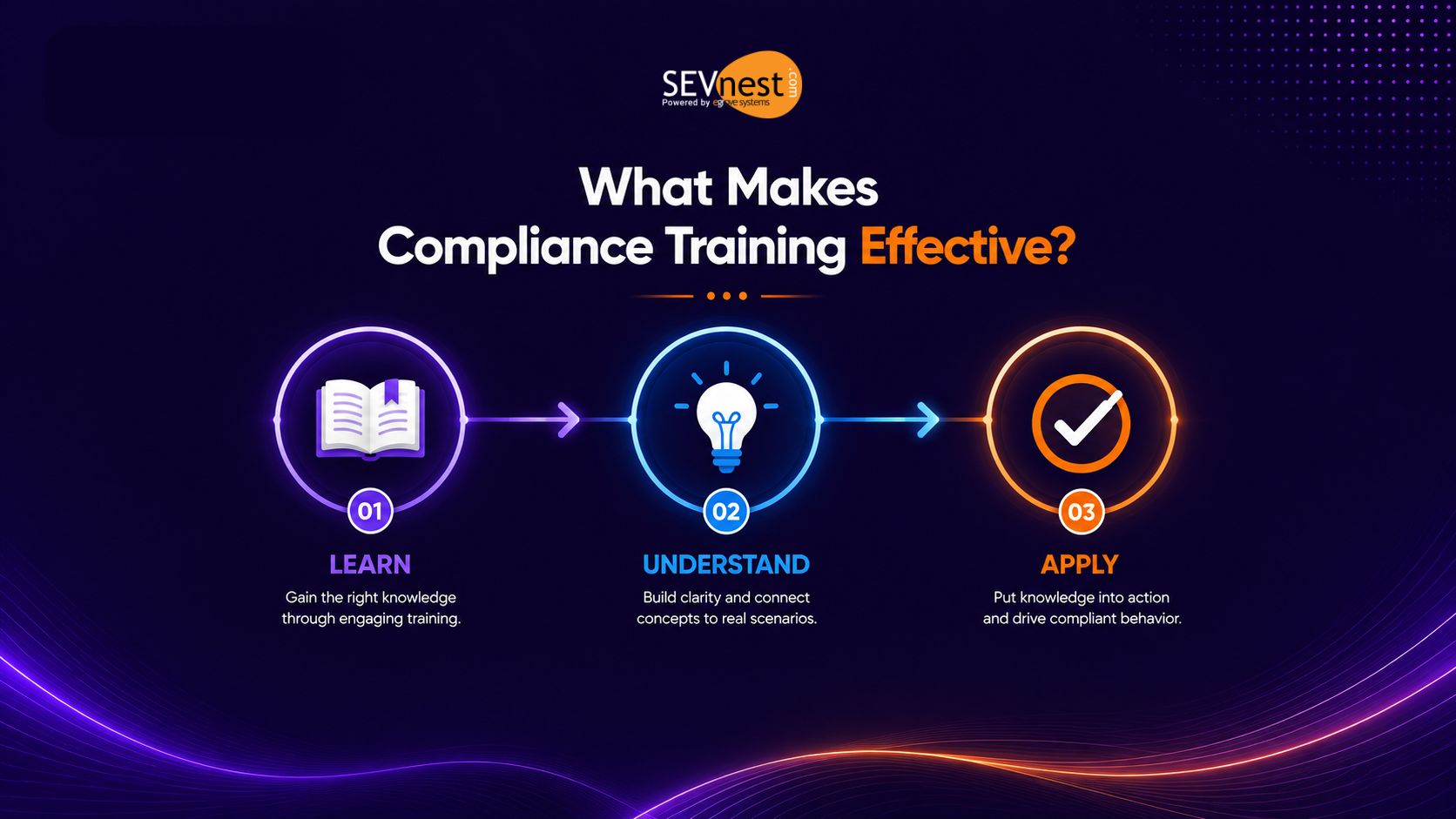
Simply assigning courses does not guarantee employees understand or apply the information.
An effective Compliance training approach should include:
Relevant Content
Training should address real workplace situations employees may encounter.
Clear Language
Employees should understand the message without unnecessary complexity.
Realistic Scenarios
Examples and workplace situations make training more practical.
Short Learning Modules
Smaller learning sections can improve engagement and knowledge retention.
Assessments and Knowledge Checks
Assessments help organizations understand whether employees understand key concepts.
Regular Reinforcement
Compliance awareness should continue beyond one-time training sessions.
How Often Should Employees Receive Compliance Training?
The frequency of training depends on organizational needs, industry requirements, and applicable regulations.
Common situations where additional training may be needed include:
- Employee onboarding
- Annual refresher programs
- Role changes
- Policy updates
- Workplace incidents
- Identified knowledge gaps
Organizations should review their training strategy regularly to ensure it remains relevant.
There is no single training schedule that applies to every organization.
How Organizations Can Track Compliance Training
Tracking training activities helps organizations understand workforce learning progress.
Important areas to monitor include:
- Assigned training
- Completion status
- Overdue activities
- Assessment results
- Training history
- Certifications
- Employee participation
Maintaining organized training records helps HR and compliance teams understand whether employees are completing required learning activities.
A structured tracking process also makes it easier to review training effectiveness and identify areas needing improvement.
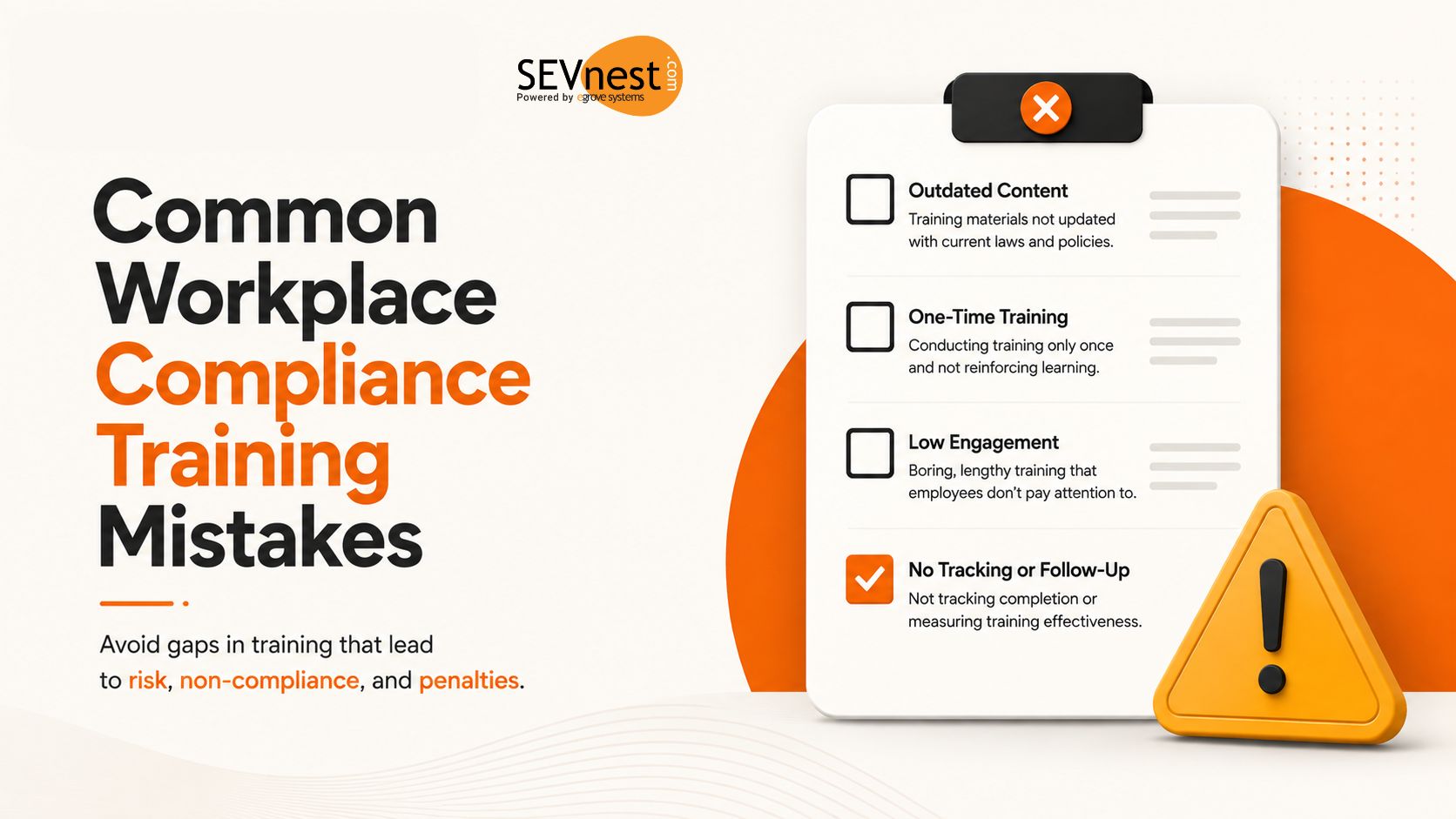
Common Workplace Compliance Training Mistakes
One-Size-Fits-All Training
Challenge:
Employees receive the same training regardless of role.
Improvement:
Create learning paths based on responsibilities.
Training Only During Onboarding
Challenge:
Employees may forget important information over time.
Improvement:
Provide refresher training and ongoing reinforcement.
Long and Difficult Courses
Challenge:
Employees may disengage from lengthy content.
Improvement:
Use shorter, focused learning modules.
No Measurement
Challenge:
Organizations do not know whether training is effective.
Improvement:
Use assessments, feedback, and completion tracking.
Manual Tracking
Challenge:
Spreadsheets and manual updates can become difficult to manage.
Improvement:
Use structured systems for better visibility.
How Technology Supports Compliance Training
Modern learning and compliance platforms help organizations manage training more efficiently.
Technology can support:
- Training assignments
- Role-based learning paths
- Completion tracking
- Automated reminders
- Certification management
- Employee progress monitoring
- Training records
- Reporting
AI-powered learning capabilities can further support:
- Personalized learning recommendations
- Content discovery
- Learning insights
- Automated workflows
Technology helps organizations organize and manage training activities, but effective compliance still depends on relevant content, employee participation, and strong organizational processes.
How SEVnest Supports Workplace Compliance Training
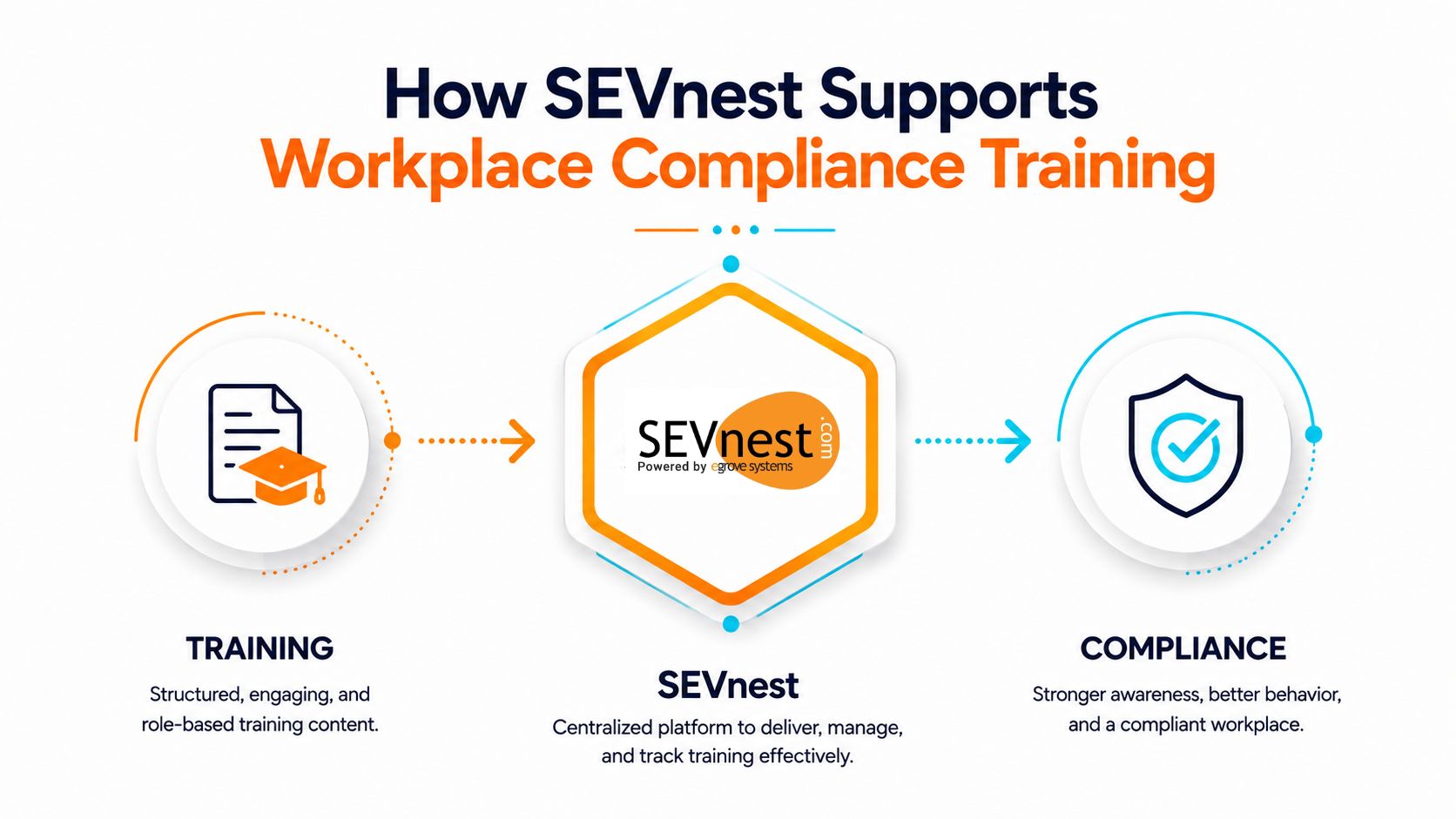
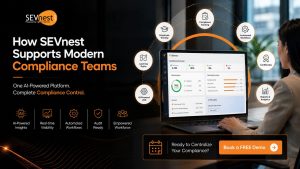
SEVnest helps organizations manage workplace learning and compliance activities through an AI-enabled workforce learning platform.
The platform supports organizations with:
- Compliance training
- Workforce learning
- Employee onboarding
- Learning paths
- Training tracking
- Certifications
- Automated workflows
- Reporting
- AI-powered learning capabilities
By helping organizations organize training activities and improve visibility into workforce learning, SEVnest supports a more structured approach to compliance training management.
Organizations can explore how SEVnest helps simplify training processes and improve workforce learning visibility.
Practical Workplace Compliance Training Checklist
Use this checklist when reviewing your training strategy:
✓ Identify applicable compliance requirements
✓ Define role-specific training needs
✓ Include relevant workplace policies
✓ Provide required employee training
✓ Add assessments and knowledge checks
✓ Track completion status
✓ Monitor certifications
✓ Schedule refresher training
✓ Update content regularly
✓ Maintain training records
✓ Review training effectiveness
Final Thoughts
A strong Workplace Compliance Training program goes beyond assigning mandatory courses.
Effective programs combine relevant topics, role-based learning, employee understanding, assessments, tracking, and ongoing reinforcement.
Organizations should regularly review whether their training approach reflects employee responsibilities, workplace risks, and changing business needs.
With the right processes and technology support, businesses can create more consistent learning experiences and improve visibility into workforce compliance activities.
Explore how SEVnest can help your organization manage workplace compliance training more efficiently.