
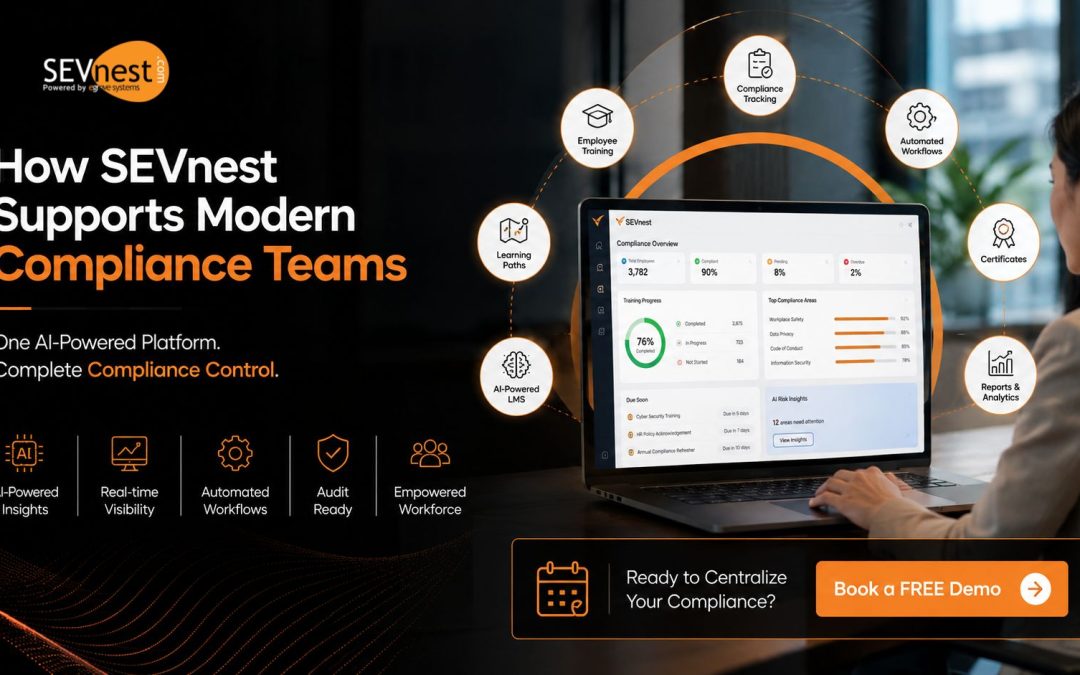
Modern organizations are facing a new compliance challenge. It is no longer only about delivering mandatory training or maintaining documentation. Compliance teams must manage employee learning, certifications, policies, reporting, and workforce readiness across increasingly complex environments.
Many companies still rely on a combination of different tools:
- A learning platform for employee training
- Spreadsheets for tracking completion
- Separate systems for certifications
- Email reminders for follow-ups
- Manual reports for leadership reviews
While these processes may work for smaller teams, they become difficult to manage as organizations grow.
Compliance leaders need a better way to understand workforce compliance status, identify gaps, and make faster decisions.
This is where an AI Compliance Management Platform becomes valuable. By bringing compliance activities into one centralized environment, organizations can improve visibility, automate workflows, and create a more controlled approach to workforce compliance management.
Why Traditional Compliance Management Is Becoming Difficult
Compliance Data Is Scattered Across Multiple Systems
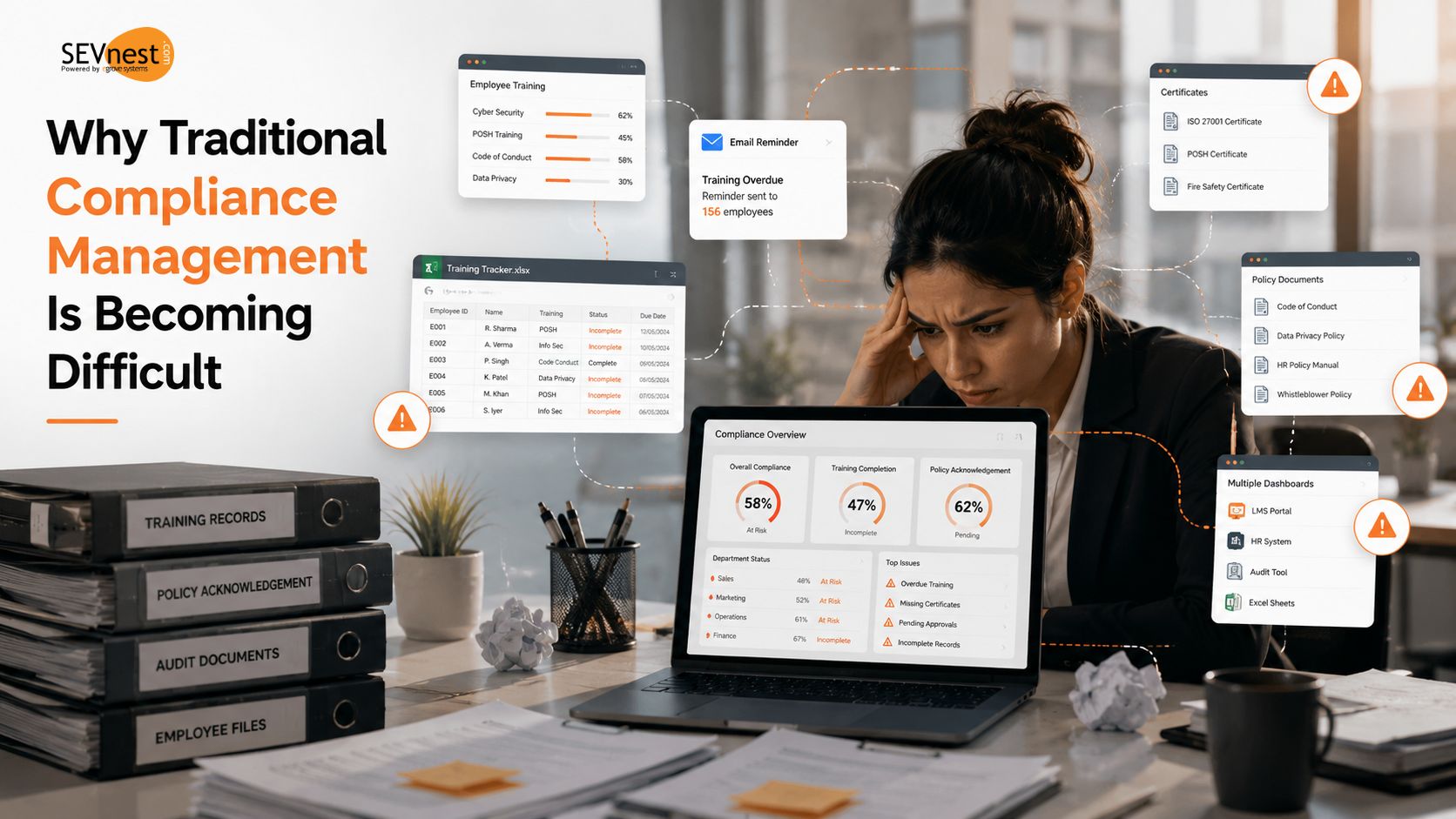
Many organizations have built their compliance processes over time by adding new tools whenever a new requirement appears.
One system manages training. Another manages employee records. Another stores certificates or reports.
The result is fragmented compliance information.
Teams often struggle to answer basic questions:
- Which employees have completed required training?
- Who needs additional learning?
- Which certifications are expiring?
- Are all departments meeting compliance expectations?
Without a unified view, compliance teams spend valuable time collecting information instead of improving compliance processes.
Manual Compliance Processes Increase Administrative Work
Compliance teams frequently manage repetitive activities manually:
- Sending reminders
- Updating spreadsheets
- Preparing reports
- Following up with employees
- Collecting audit documentation
These tasks consume time and create opportunities for missed updates.
Modern compliance automation software helps organizations reduce repetitive work by streamlining workflows and improving consistency.
Limited Visibility Creates Compliance Challenges
Compliance is not only about having records. It is about knowing the current status of workforce readiness.
When information is stored across different platforms, organizations may experience:
- Delayed reporting
- Incomplete visibility
- Difficulty identifying risks
- Slower audit preparation
A centralized approach gives leaders a clearer understanding of their compliance position.
What Is an AI Compliance Management Platform?
An AI Compliance Management Platform is a technology solution that combines workforce learning, compliance tracking, automation, reporting, and analytics into one centralized system.
Unlike traditional systems that mainly store completion records, AI-powered platforms help organizations manage compliance activities more intelligently.
A modern platform can support:
- Employee training management
- Compliance workflows
- Learning progress tracking
- Certification management
- Automated reminders
- Compliance reporting
- Workforce insights
The goal is to help organizations move from reactive compliance management to proactive compliance control.
Key Capabilities of an AI Compliance Management Platform
Centralized Compliance Dashboard
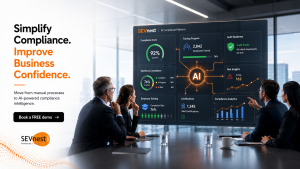
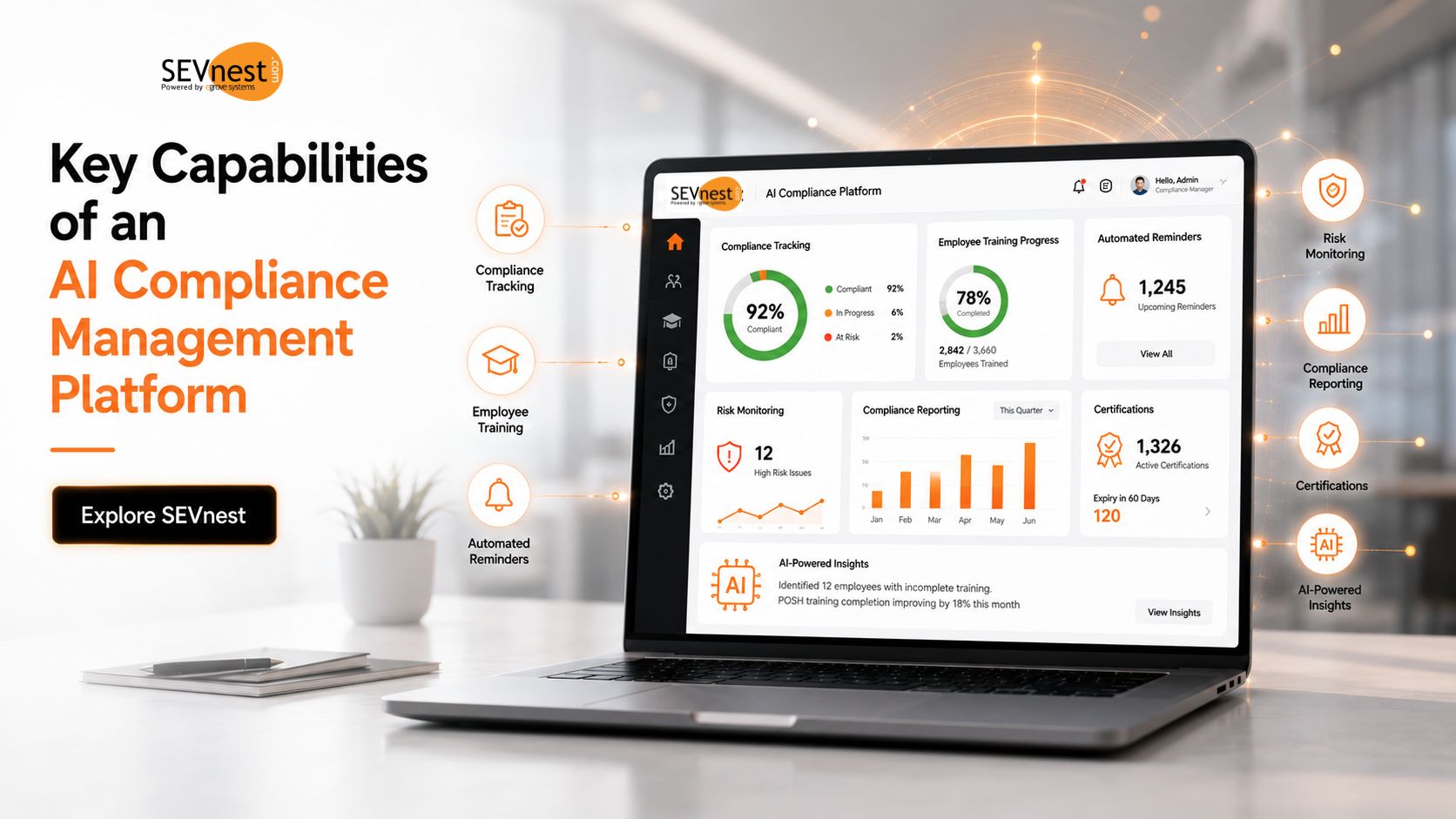
A modern compliance platform should provide a complete view of workforce compliance.
Dashboards help teams monitor:
- Training completion
- Employee compliance status
- Pending requirements
- Compliance trends
- Risk areas
Instead of reviewing multiple reports, leaders can access important information from one centralized location.
Compliance Training Management
Employee learning is a critical part of compliance readiness.
A strong platform should support:
- Mandatory training assignments
- Role-based learning paths
- Employee progress monitoring
- Learning completion tracking
An AI-powered LMS enhances traditional learning management by helping organizations deliver more personalized and efficient learning experiences.
Automated Workflows and Reminders
Automation reduces the need for manual follow-ups.
A modern platform can help automate:
- Training reminders
- Compliance notifications
- Employee assignments
- Workflow actions
This allows HR and compliance teams to focus on higher-value initiatives.
Compliance Tracking and Reporting
Organizations need reliable ways to monitor compliance activities.
Effective compliance tracking software helps teams manage:
- Employee progress
- Certification status
- Training requirements
- Compliance documentation
Reporting capabilities also help leaders prepare for reviews and audits more efficiently.
How AI Improves Workforce Compliance Control
Artificial intelligence adds intelligence to compliance operations by helping teams analyze information and automate decisions.
Practical AI applications include:
Identifying Compliance Gaps
AI can analyze workforce learning activity and highlight areas that may require attention.
For example:
- Employees with incomplete training
- Departments needing additional support
- Areas with lower engagement
Personalized Learning Recommendations
Different employees have different responsibilities.
AI can help recommend relevant learning paths based on:
- Job roles
- Training history
- Compliance requirements
Improving Workflow Efficiency
AI can support compliance teams by reducing repetitive administrative activities.
Examples:
- Automated notifications
- Learning recommendations
- Reporting assistance
- Compliance insights
AI does not replace compliance professionals. It helps them make better decisions with improved information.
Business Benefits of Centralized Compliance Management
Better Workforce Visibility
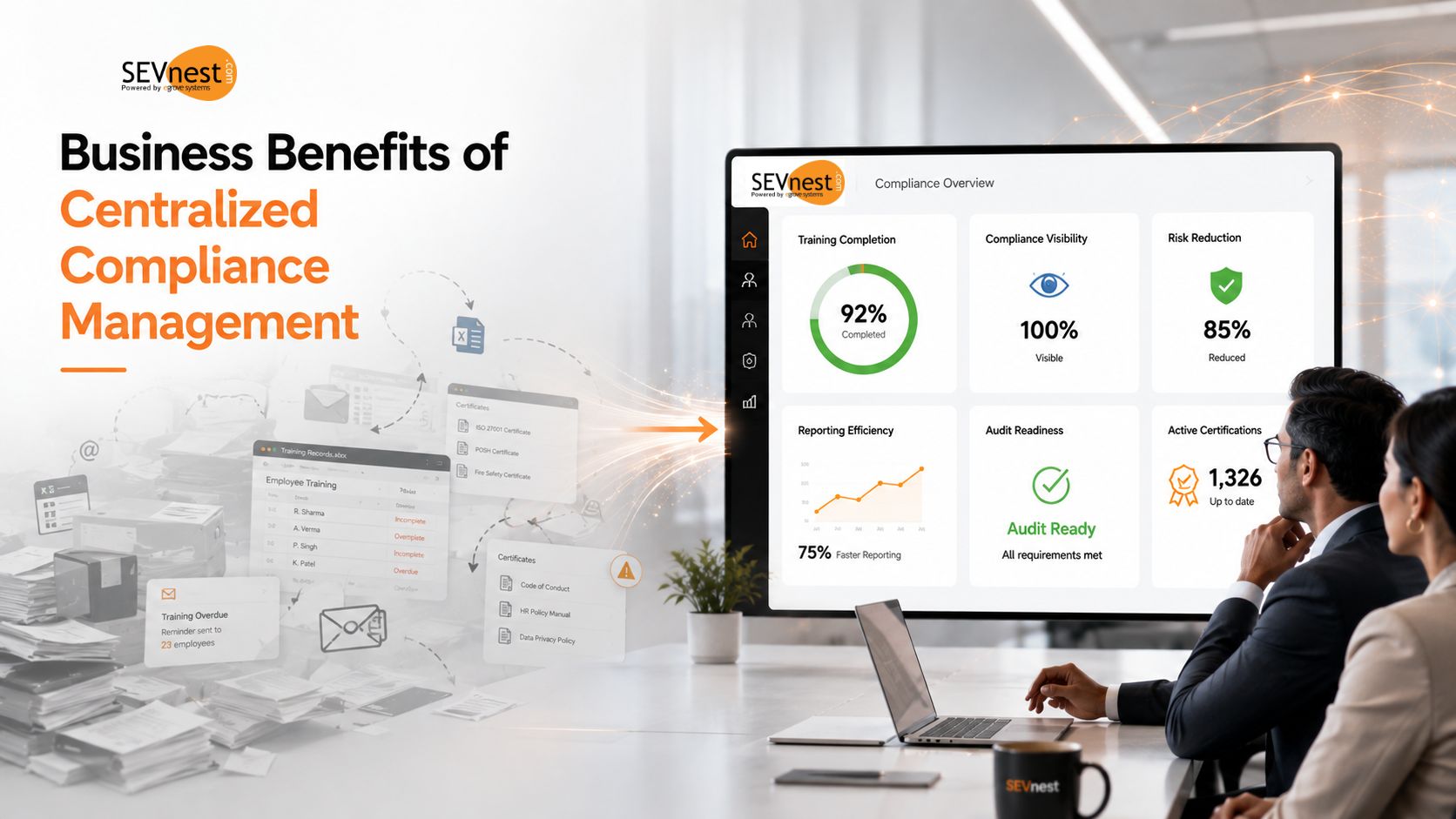
A centralized compliance platform provides a clearer picture of employee readiness.
Leaders can understand compliance status without gathering information from multiple systems.
Reduced Administrative Burden
Automation reduces manual work related to:
- Tracking
- Reporting
- Follow-ups
- Documentation
Improved Employee Experience
Employees benefit from:
- Clear training requirements
- Easier access to learning
- Better communication around compliance activities
Stronger Audit Preparation
Centralized records make it easier to organize:
- Training evidence
- Employee records
- Compliance reports
- Documentation
Scalable Workforce Compliance Management
As organizations expand, managing compliance manually becomes increasingly difficult.
A unified approach supports consistent compliance processes across departments and locations.
How to Evaluate an AI Compliance Management Platform
Before selecting a platform, organizations should evaluate:
1. Does It Centralize Compliance Information?
The platform should provide one place for compliance activities, records, and reporting.
2. Does It Support Training Management?
Look for:
- Mandatory training
- Role-based assignments
- Learning progress tracking
3. Does It Provide Automation?
Evaluate workflow automation capabilities for reminders, reporting, and compliance activities.
4. Does It Offer AI Capabilities?
Consider:
- Intelligent recommendations
- Compliance insights
- Automated workflows
5. Does It Scale?
The solution should support future workforce growth and changing compliance requirements.
How SEVnest Supports Modern Compliance Teams
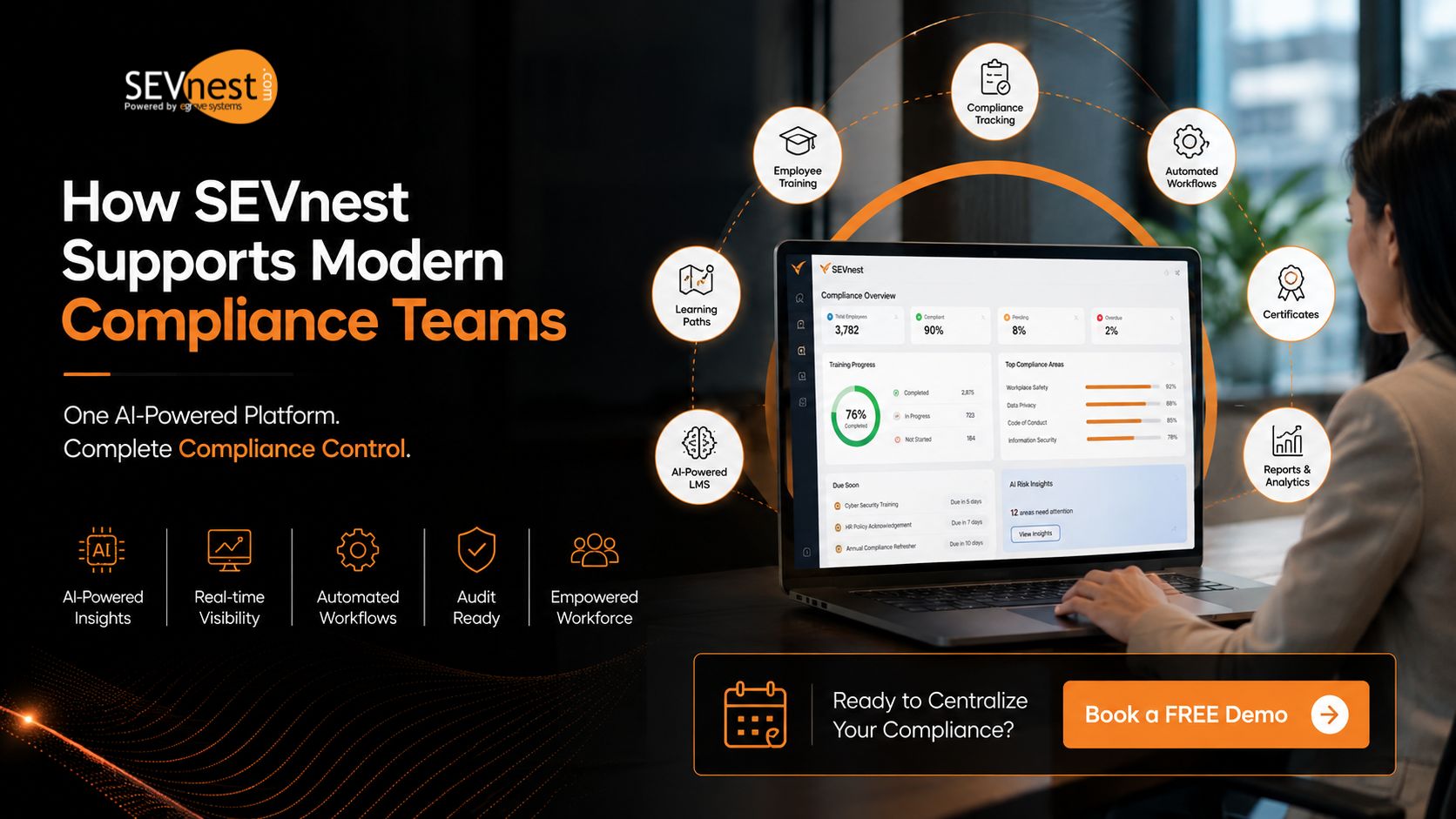
SEVnest helps organizations centralize workforce compliance through an AI-enabled compliance and learning platform.
The platform supports organizations by bringing together:
- Compliance training
- Workforce learning
- Employee onboarding
- Learning paths
- Compliance tracking
- Automated workflows
- Progress visibility
- Reporting
By reducing dependence on fragmented processes, SEVnest helps HR and compliance teams create a more organized approach to workforce compliance management.
Organizations evaluating compliance technology can use SEVnest as a centralized solution to improve visibility, simplify workflows, and support workforce readiness.
Key Takeaways
- Compliance management becomes harder when information is spread across multiple systems.
- AI-powered platforms help organizations centralize compliance activities.
- Automation reduces manual administrative work.
- Better visibility improves workforce readiness.
- Organizations should evaluate platforms based on scalability, reporting, AI capabilities, and usability.
Final Thoughts
The future of compliance management is moving toward centralized, intelligent platforms.
Organizations need more than separate tools for training, tracking, and reporting. They need a connected system that provides visibility, automation, and better control over workforce compliance.
An AI Compliance Management Platform helps businesses create a more structured approach by combining learning, workflows, reporting, and compliance insights.
As compliance expectations continue to evolve, organizations that invest in centralized compliance technology will be better positioned to manage risk and improve workforce readiness.
📩 Request a demo with SEVnest and explore a smarter approach to workforce compliance control.Compliance Control Center