
Many organizations start preparing for audits only when a request arrives. Teams begin searching for training records, collecting employee documentation, reviewing spreadsheets, and manually creating reports.
This approach creates unnecessary pressure.
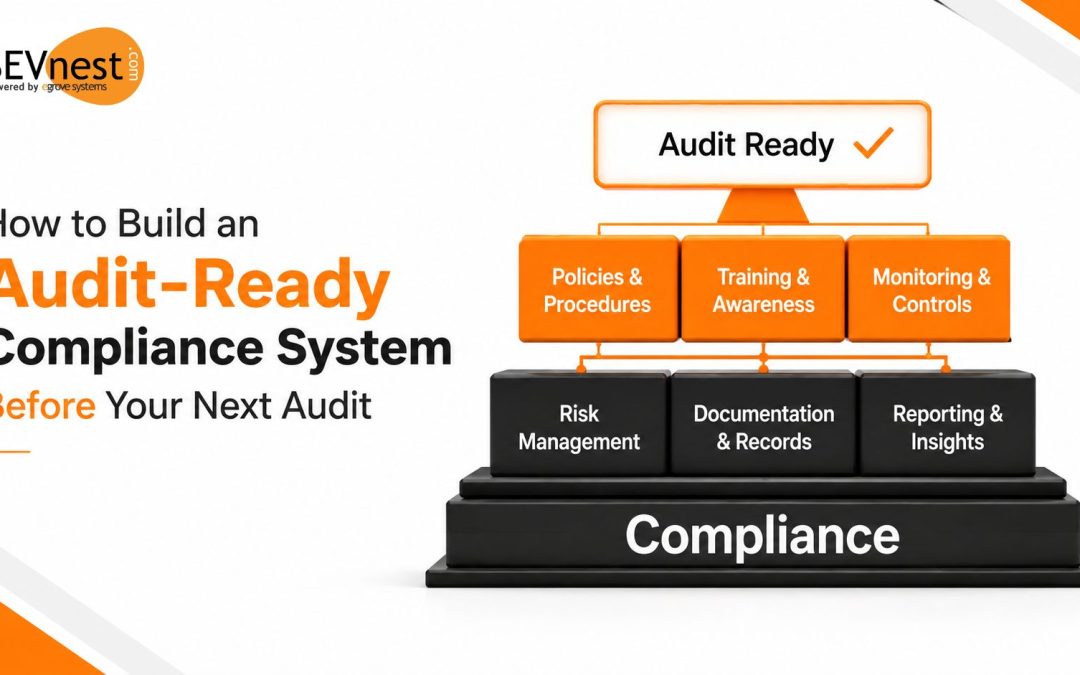
An audit-ready organization does not depend on last-minute preparation. It builds a structured compliance system that continuously manages training, employee progress, certifications, documentation, and reporting.
SEVnest helps organizations move toward this approach by providing an AI-enabled compliance and workforce learning platform designed to centralize compliance activities, improve visibility, and support ongoing workforce readiness.
But what actually makes a compliance system audit-ready?
The answer is not simply having more documents. It is having the right processes, visibility, and technology to manage compliance consistently.
What Is an Audit-Ready Compliance System?
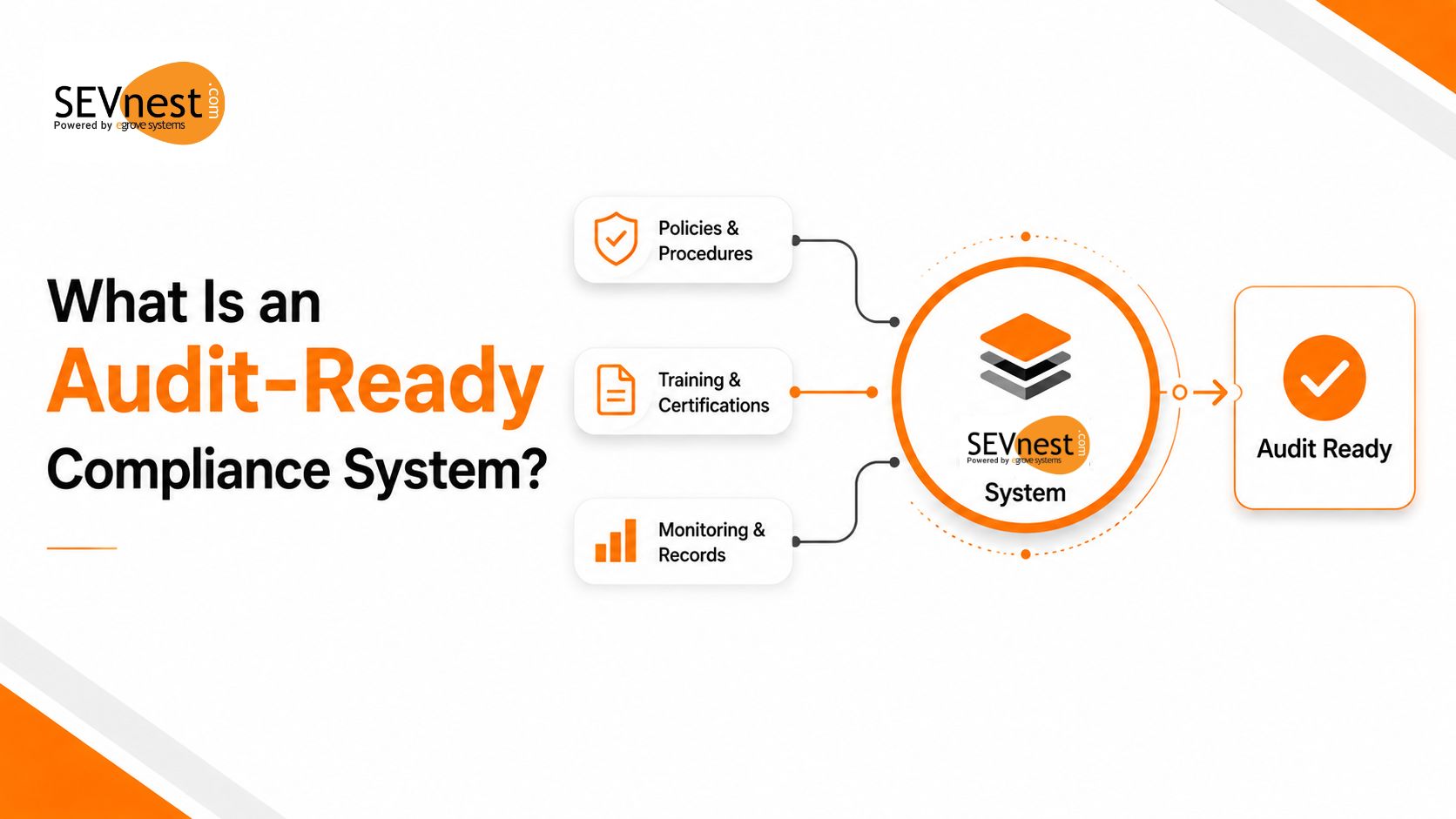
An Audit-Ready Compliance System is a structured approach that helps organizations maintain compliance information, employee records, training activities, and documentation in an organized and accessible way.
A modern system should help organizations:
- Manage employee training
- Track compliance requirements
- Monitor certifications
- Maintain documentation
- Identify compliance gaps
- Generate reports
- Improve workforce visibility
The goal is to make compliance information available when needed without requiring teams to search through multiple disconnected sources.
A strong system turns compliance from a reactive activity into an ongoing operational process.
Why Organizations Need a More Structured Compliance System
As organizations grow, compliance becomes more complex.
Companies may manage:
- Different employee groups
- Multiple departments
- Various training requirements
- Certification deadlines
- Changing compliance responsibilities
Without a centralized approach, teams often rely on:
- Spreadsheets
- Emails
- Shared folders
- Separate training systems
This creates challenges such as:
- Limited visibility
- Manual follow-ups
- Inconsistent records
- Difficult reporting
- Increased administrative work
Organizations need a system that connects people, training, documentation, and compliance activities together.
Key Capabilities of an Audit-Ready Compliance System
When evaluating compliance technology, organizations should look for capabilities that support continuous readiness.
1. Centralized Compliance Management
The foundation of an audit-ready system is centralized information.
Instead of managing compliance data across multiple locations, teams should have one environment to monitor:
- Employee compliance status
- Training progress
- Certifications
- Compliance activities
- Required actions
A centralized approach improves visibility and reduces time spent searching for information.
2. Automated Training Management
Employee training is a critical part of compliance readiness.
A modern system should support:
- Mandatory training assignments
- Role-based learning
- Employee progress tracking
- Completion monitoring
Effective compliance training management ensures employees receive the right learning at the right time.
3. Real-Time Compliance Tracking
Organizations need clear visibility into current compliance status.
A strong system should help teams monitor:
- Completed requirements
- Pending training
- Overdue activities
- Certification status
- Employee progress
Using compliance tracking capabilities allows teams to identify areas requiring attention earlier.
4. Automated Workflows and Reminders
Manual follow-ups consume significant HR and compliance resources.
Automation can help manage:
- Training reminders
- Employee notifications
- Workflow tasks
- Compliance updates
This reduces administrative workload and helps maintain consistent compliance processes.
5. Reporting and Documentation
Audit preparation requires organized information.
A capable system should support:
- Training reports
- Employee records
- Certification documentation
- Compliance summaries
- Audit-related information
A good reporting structure helps organizations respond more efficiently when information is requested.
6. Risk Visibility and Gap Identification
Organizations should not wait until an audit to discover compliance gaps.
Modern platforms can help teams identify:
- Incomplete training
- Missing activities
- Compliance exceptions
- Areas requiring attention
Better visibility allows teams to take proactive action.
7. AI-Powered Compliance Insights
AI is becoming an important capability in modern compliance platforms.
An AI compliance management platform can support organizations by helping with:
- Learning recommendations
- Identifying potential gaps
- Automating repetitive workflows
- Highlighting overdue activities
- Providing useful insights
AI supports compliance teams by improving efficiency and decision-making. It does not replace human oversight or guarantee compliance.
Traditional Audit Preparation vs Modern Compliance Management
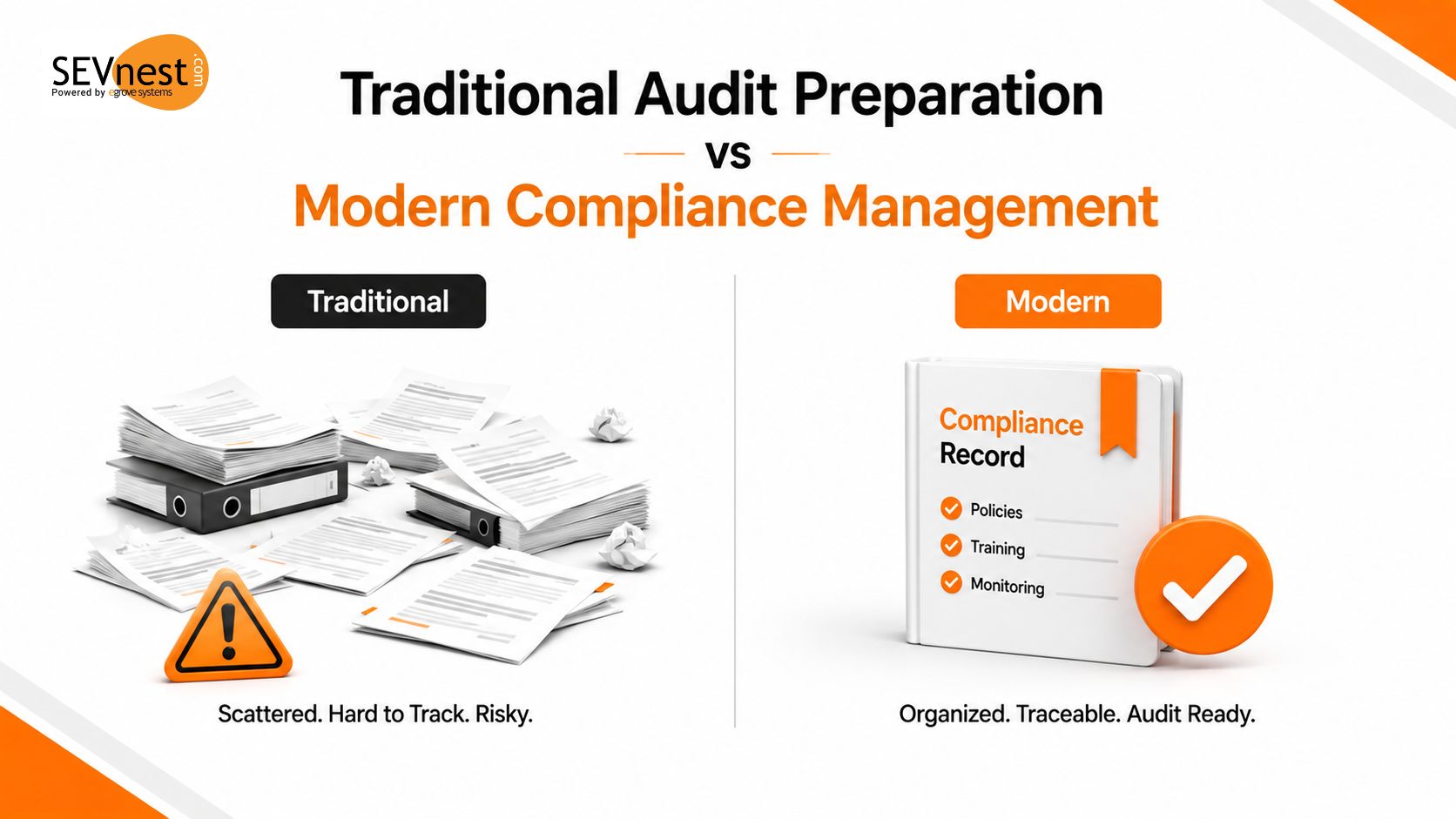
Traditional Approach
Organizations often:
- Prepare only when audits arrive
- Search for missing information
- Request employee updates
- Rebuild reports manually
- Spend significant time collecting evidence
This creates unnecessary stress and operational disruption.
Modern Approach
A structured compliance system helps organizations:
- Track continuously
- Maintain organized records
- Monitor employee progress
- Automate reminders
- Improve reporting
- Maintain better visibility
The difference is moving from reactive preparation to continuous readiness.
How to Choose the Right Compliance Platform
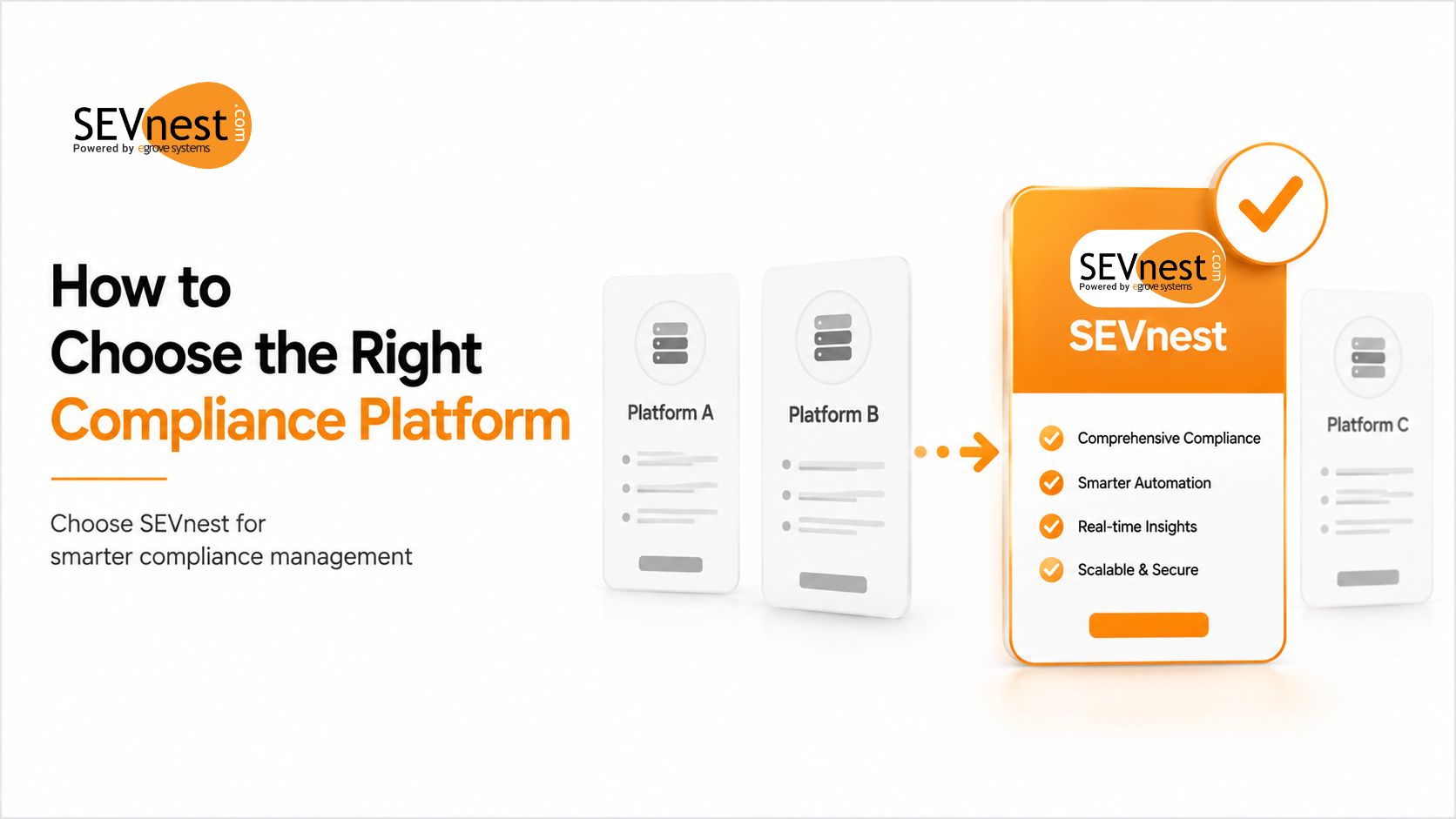
Before selecting compliance technology, organizations should evaluate:
Ease of Use
Can administrators and employees use the platform easily?
Training Management
Can the system manage mandatory and role-based learning?
Reporting
Can leaders access useful compliance reports?
Automation
Does it reduce manual follow-ups?
Scalability
Can it support growing teams and changing requirements?
AI Capabilities
Does it provide intelligent insights and workflow support?
Integration
Can it connect with existing business systems?
Security and Support
Does the provider offer reliable security practices and customer support?
How SEVnest Supports Audit-Ready Compliance
SEVnest helps organizations build a more structured approach to workforce compliance through an AI-enabled learning and compliance platform.
The platform supports:
- Compliance training
- Workforce learning
- Employee onboarding
- Learning paths
- Compliance tracking
- Employee progress visibility
- Certifications
- Automated workflows
- Reporting
By connecting these activities in one environment, SEVnest helps organizations improve compliance visibility and reduce the complexity of managing workforce readiness.
For organizations evaluating compliance management solutions, SEVnest provides a centralized approach to managing training, tracking, and compliance workflows.
Why Build the System Before the Audit?
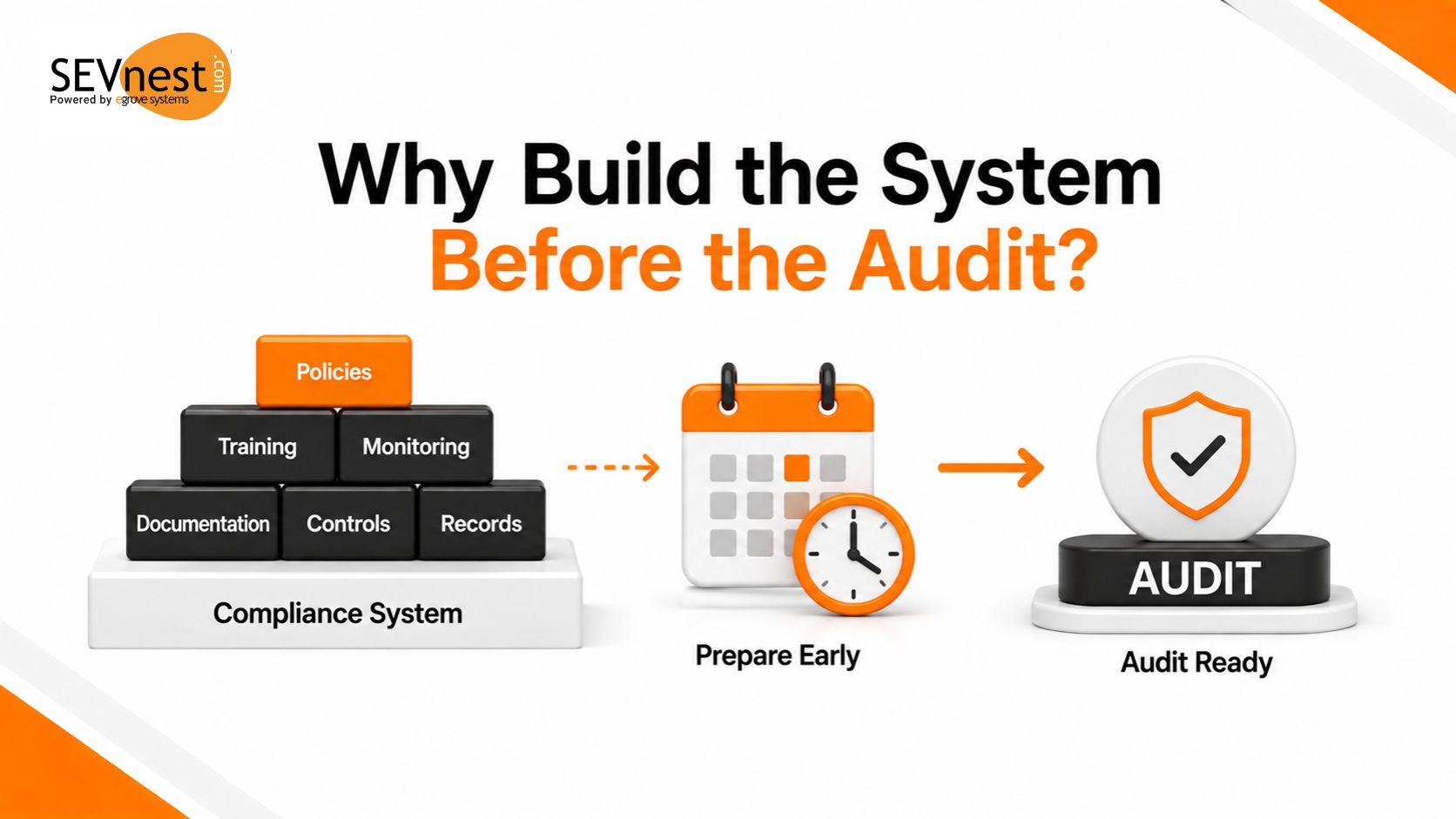
Waiting until an audit is announced creates unnecessary pressure.
A stronger approach is building compliance processes into everyday operations.
When organizations continuously manage:
- Training
- Documentation
- Employee progress
- Certifications
- Compliance activities
audit preparation becomes more organized and predictable.
An audit-ready system is not just an audit tool. It is a foundation for better workforce compliance management.
Final Thoughts
Building an audit-ready compliance system requires more than collecting documents before an audit.
Organizations need centralized visibility, structured workflows, employee training management, tracking capabilities, and reliable reporting.
The right technology approach helps compliance teams move from manual processes toward a more organized and scalable model.
SEVnest helps organizations create a stronger compliance management foundation by connecting workforce learning, compliance tracking, and reporting in one centralized platform.